
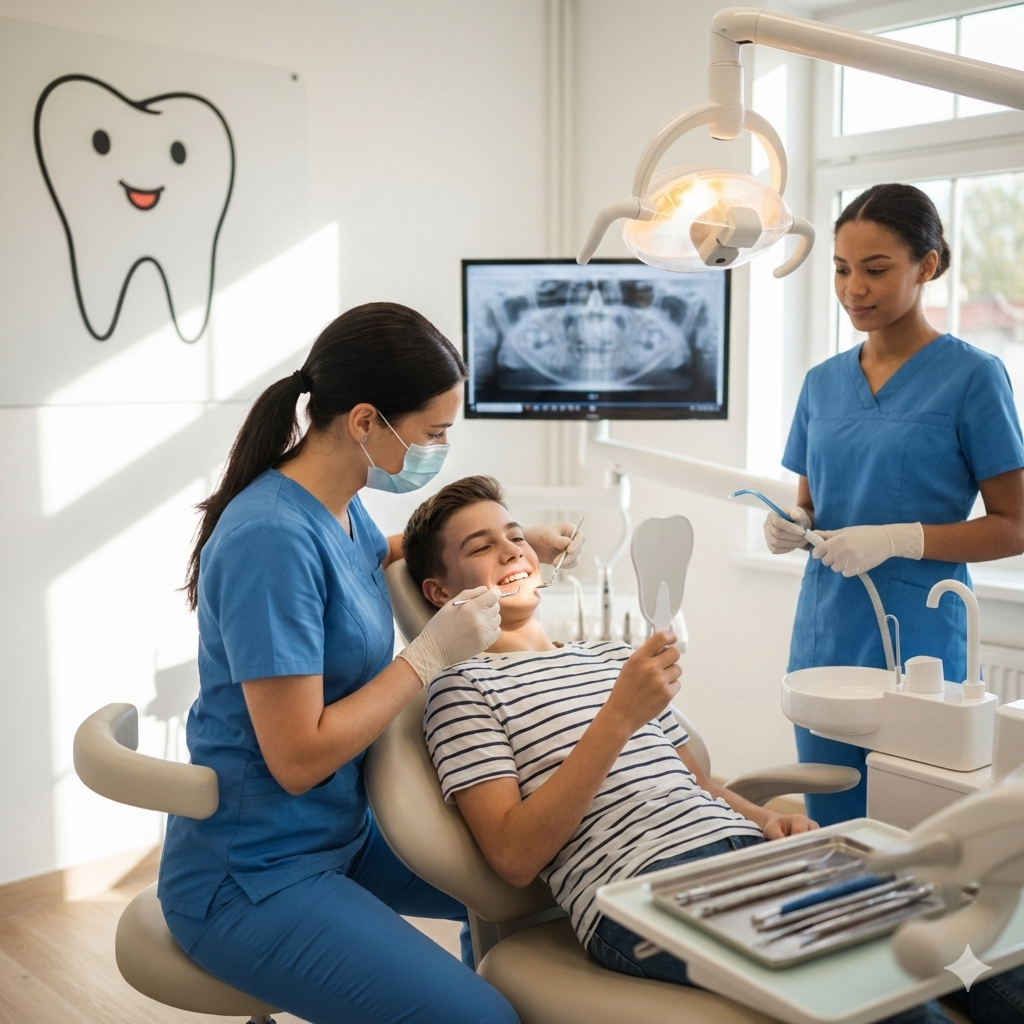
Dental crowns are a common and effective solution for restoring damaged or weakened teeth in Murrels Inlet. They cover and protect teeth that have been compromised by decay, cracks, or large fillings, helping to restore both strength and appearance. A dental crown acts like a sturdy cap, providing long-lasting protection while blending seamlessly with natural teeth.
Patients in Murrels Inlet can expect modern crowns to be made from materials like porcelain or ceramic, designed to match the color and shape of existing teeth. The process is straightforward, often completed in just a couple of visits, with a focus on comfort and preserving healthy tooth structure.
Choosing dental crowns can prevent further damage and improve chewing and speaking functions. It’s a practical step for anyone looking to maintain their oral health with a durable, natural-looking solution.
What Are Dental Crowns?
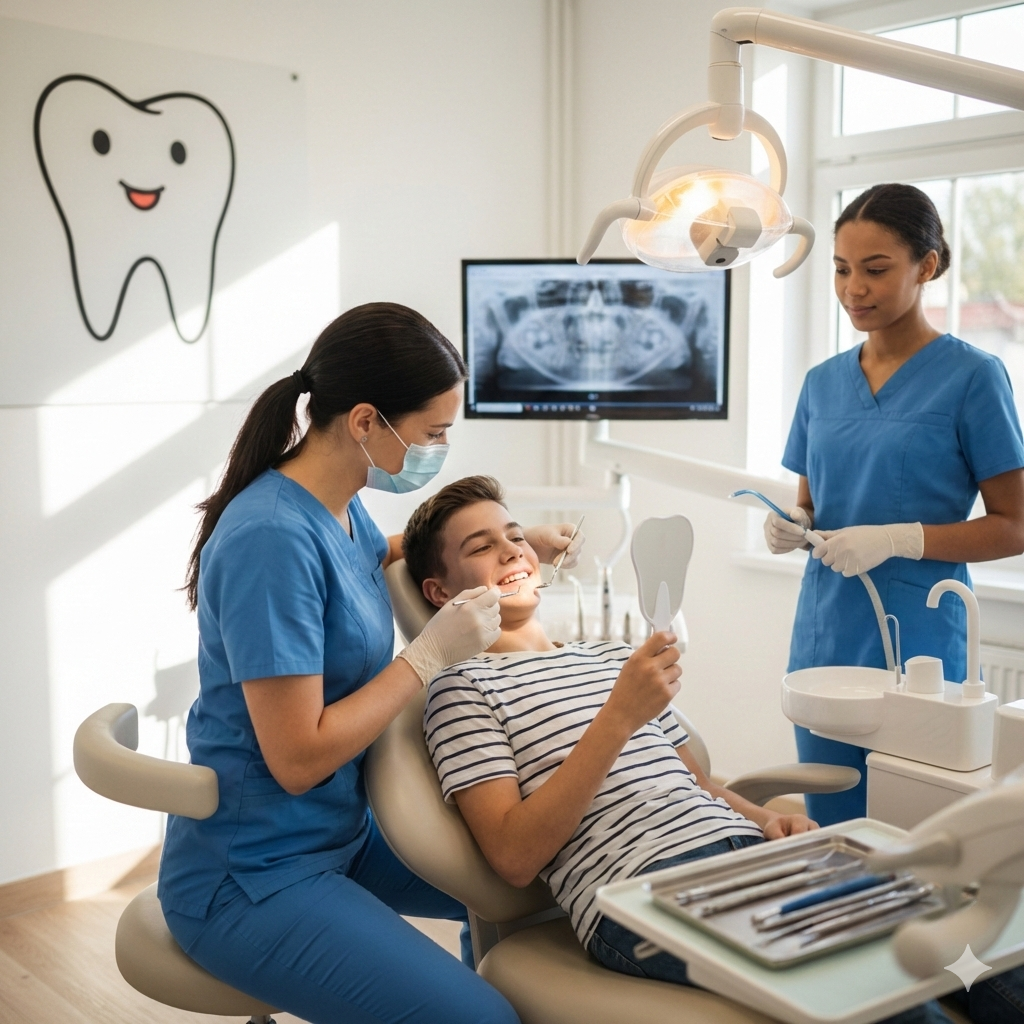
Dental crowns are custom-made caps designed to fit over damaged or weakened teeth. They restore strength, shape, and appearance, making them a common solution for various dental issues.
Crowns work by protecting the tooth while improving function and aesthetics. Different materials provide options based on durability, cost, and appearance, tailored to each patient’s needs.
Definition and Purpose
A dental crown is a tooth-shaped cover that fully encases the visible part of a tooth. It protects teeth that are cracked, worn down, decayed, or have undergone root canal treatment.
The main purpose of a crown is to restore the tooth’s structure and function. It strengthens weak teeth to prevent further damage and helps improve biting and chewing ability. Crowns also enhance appearance by matching the natural color and shape of surrounding teeth.
Dentists often recommend crowns for teeth that can no longer support fillings or have cosmetic concerns. They offer a durable and long-lasting solution that blends seamlessly with natural teeth.
How Dental Crowns Work
Dental crowns are placed after the tooth is prepared, which usually involves shaping it to allow the crown to fit snugly. Then, an impression of the tooth is taken to create a crown that fits precisely.
Once fabricated, the crown is cemented onto the prepared tooth, covering it completely. This crown acts like a protective shield, distributing biting forces evenly to prevent fractures.
Crowns restore chewing function and prevent sensitivity by sealing off exposed nerves or roots. Patients can care for crowns like natural teeth, maintaining them with regular brushing, flossing, and dental visits.
Types of Dental Crowns
Dental crowns come in several types, each offering different benefits:
| Type | Material | Benefits | Considerations |
|---|---|---|---|
| Porcelain | Ceramic/glass | Natural look, good for front teeth | Less durable under heavy biting |
| Metal | Gold, silver, or alloys | Very durable, lasts long | Visible metallic color |
| Porcelain-fused-to-metal | Metal base + porcelain layer | Durable + natural appearance | Porcelain may chip over time |
| Zirconia | High-strength ceramic | Strong and natural-looking, biocompatible | Slightly thicker, pricey |
Choosing the right crown depends on tooth location, function, cosmetic preference, and budget. Dentists typically guide patients to options best suited for their individual situation.
Benefits of Dental Crowns in Murrells Inlet
Dental crowns in Murrells Inlet offer practical solutions for protecting teeth, improving smiles, and supporting other dental work. They provide strength and durability while blending naturally with surrounding teeth, making them a reliable option for many patients.
Restoring Damaged Teeth
Dental crowns protect and restore teeth that are cracked, chipped, or severely worn. They cover the entire tooth, which prevents further damage and reduces sensitivity. This makes eating and speaking more comfortable.
Crowns also help when a large filling isn’t enough to keep a tooth intact. With materials like porcelain or ceramic, the restoration looks natural and lasts for many years. Local dentists ensure the crown fits well, maintaining proper bite alignment.
Enhancing Smile Appearance
Crowns in Murrells Inlet not only restore function but also improve the look of teeth. They can cover stains, discoloration, or misshapen teeth that don’t respond well to whitening treatments.
Custom shading matches the crown to the patient’s natural tooth color, creating a seamless appearance. This boosts confidence for those who want a brighter, more even smile without noticeable dental work.
Supporting Dental Bridges
Crowns play a crucial role in dental bridges by anchoring the artificial teeth to healthy adjacent teeth. This support helps fill gaps caused by missing teeth, restoring chewing ability and preventing teeth from shifting.
The process involves fitting crowns securely on the neighboring teeth, which safely hold the bridge in place. This option is less invasive than implants and provides a comfortable, stable solution.
When Are Dental Crowns Needed?
Dental crowns are used to protect and restore teeth that have been damaged or weakened. They help maintain proper function and appearance when simple fillings or other treatments are not enough.
Common Reasons for Treatment
Crowns are often recommended when a tooth has a large cavity that can’t be filled securely. After root canal therapy, a crown protects the fragile tooth to prevent fractures. Teeth that are cracked, worn down by grinding, or injured in an accident also benefit from crowns.
Sometimes, crowns cover misshapen or severely discolored teeth, improving the smile’s look. They can also anchor dental bridges or cover dental implants. The goal is to restore strength and keep teeth functioning comfortably.
Signs You Might Need a Crown
If a tooth hurts consistently or feels sensitive to hot or cold, a crown might be needed. Visible cracks or chips that cause rough edges or discomfort also call for attention. Difficulty chewing or biting hard foods can indicate weakened teeth.
Sometimes, teeth with large fillings start to break down, leading to pain or instability. Crowns help prevent further damage. Your dentist will perform an exam and may take X-rays to confirm whether a crown is the best option.
Preventive Advantages
Crowns don’t just fix problems; they can stop issues before they get worse. By covering a damaged tooth, a crown reduces wear from daily use and prevents cracks from spreading. It also keeps bacteria out of vulnerable areas, lowering the risk of infection.
Crowns support proper biting and chewing, reducing strain on neighboring teeth. This can help avoid more complex dental work down the line. Choosing the right crown material also enhances comfort and appearance, tailored to each patient’s needs.
The Dental Crown Process in Murrells Inlet
Getting a dental crown in Murrells Inlet involves a few well-organized steps that ensure a comfortable experience and a strong, lasting restoration. From the first visit to the final fitting, the process is designed to protect your tooth and restore its function and appearance with care.
Initial Consultation and Evaluation
During the initial consultation, the dentist carefully examines the tooth needing a crown. This step includes checking for decay, cracks, or any underlying issues. X-rays may be taken to assess the tooth’s roots and surrounding bone structure.
The dentist discusses treatment options and answers any questions to set clear expectations. They also determine whether a crown is the best solution or if alternatives should be considered. This appointment helps the patient feel informed and comfortable with the plan ahead.
Preparation and Impression
To prepare the tooth, the dentist gently reshapes it to make room for the crown. This often involves removing some enamel but is done carefully to avoid discomfort. Local anesthesia is used to keep the patient comfortable during this step.
Next, an impression of the prepared tooth and surrounding teeth is taken. This mold is crucial because it guides the lab in crafting a crown that fits perfectly and looks natural. While waiting for the permanent crown, a temporary one is placed to protect the tooth.
Fitting and Placement
Once the custom crown is ready, the patient returns for the fitting appointment. The dentist checks the crown’s fit, shape, and color to ensure it matches the natural teeth. Adjustments may be made to avoid any bite issues or discomfort.
After confirming the fit, the crown is permanently cemented in place. The dentist provides care instructions and schedules follow-up visits if necessary. This step completes the process, restoring the tooth’s strength and appearance while allowing the patient to eat, speak, and smile with confidence.
Modern Materials and Technology
Dental crowns today use materials designed to blend strength and appearance while improving patient comfort. Advances in technology streamline the crown-making process, giving patients durable, natural-looking restorations faster than ever.
Porcelain and Ceramic Crowns
Porcelain and ceramic crowns offer an excellent match for natural teeth due to their color and translucency. These materials are popular for front teeth, where appearance is a priority. They resist stains and can be custom-shaded to complement the surrounding teeth perfectly.
Because they bond well with natural tooth structure, porcelain and ceramic crowns provide a stable fit. They are metal-free, reducing the risk of allergic reactions or gum discoloration. Although slightly less durable than metal crowns, they are strong enough for normal biting and chewing in most cases.
Zirconia and Metal Crowns
Zirconia crowns are known for their toughness and longevity. Made from a high-strength ceramic, zirconia withstands heavy biting forces, making it suitable for back teeth. It also has a tooth-like color that can be layered for better aesthetics.
Metal crowns, often made from gold or other alloys, excel in durability and require minimal tooth removal. They rarely wear down opposing teeth and are less likely to chip or break. However, they are less common for visible teeth because of their metallic appearance. Many dentists combine zirconia and metal to balance strength with looks.
Comfort and Care During Your Visit
The dental office prioritizes making every step of the crown procedure as comfortable as possible. Techniques and approaches focus on reducing discomfort and easing anxiety, ensuring patients feel calm and cared for throughout their visit.
Gentle Numbing Techniques
Before any work begins, the dentist uses advanced numbing agents tailored to each patient’s sensitivity. This often includes topical gels applied directly to the gums, which help reduce the sting of injections.
Local anesthesia is then administered carefully to minimize discomfort. Slow and precise injections help avoid sudden pain by allowing the anesthetic to spread evenly. The goal is to numb the specific area without affecting the whole mouth, so patients can relax without the side effects of a frozen tongue or cheeks.
Patients are encouraged to share any worries or sensitivities beforehand. This allows the dental team to adjust their technique and use alternative numbing options when appropriate, guaranteeing a gentle experience.
Patient-Focused Approach
The team at the office understands that each patient’s comfort needs vary widely. They create a personalized experience by listening attentively and answering questions thoroughly before and during the visit.
Distraction options, such as music or TV, are often offered to help ease nerves. Communication remains open throughout the procedure so patients can signal if they experience discomfort or need a break.
Post-procedure comfort is also a focus. Clear instructions on managing sensitivity or pain are provided, along with recommendations for over-the-counter remedies or follow-up care if needed. This level of attention makes the entire visit feel supportive rather than clinical.
Caring for Your Dental Crown
Maintaining a dental crown requires consistent habits to keep it strong and looking natural. Proper care involves daily cleaning routines, knowing which foods support crown health, and understanding when to seek professional attention to prolong its lifespan.
Daily Oral Hygiene
Cleaning around a dental crown is similar to caring for natural teeth but with extra attention. It’s important to brush twice daily using a soft-bristled toothbrush and fluoride toothpaste to avoid wearing down the crown’s surface.
Flossing gently around the crown’s edges removes plaque and prevents gum irritation. Patients should avoid snapping the floss down harshly, instead sliding it carefully alongside the crown.
Rinsing with an antimicrobial mouthwash can reduce bacteria build-up, especially if flossing is difficult. Regular dental checkups allow the dentist to inspect the crown’s fit and catch any potential issues early.
Foods to Enjoy and Avoid
Crowns are durable but not indestructible. Crunchy foods like apples, carrots, and nuts are safe when eaten carefully, as they help maintain healthy gums.
Avoid biting directly into hard foods such as ice, hard candy, or popcorn kernels. These can crack or chip the crown.
Sticky candies and very sugary snacks can increase decay risk where the crown meets the tooth, so they should be limited. Eating balanced meals supports overall oral health and reduces problems.
Lifespan and Maintenance Tips
Dental crowns usually last 10 to 15 years, but their longevity depends on care. Avoid grinding or clenching teeth, which can stress the crown. Night guards help protect crowns for patients who grind.
Schedule checkups every six months so the dentist can monitor wear and polish the crown if needed. If tenderness or looseness occurs, patients should seek care promptly to avoid more serious damage.
Good oral habits combined with professional care will keep dental crowns functional and comfortable for years.
Choosing the Right Dentist in Murrells Inlet
Selecting the ideal dentist for dental crowns involves evaluating their experience, communication style, and treatment options. Understanding what questions to ask and how they tailor care helps ensure a smooth, comfortable experience.
What to Look For
A dentist with extensive crown placement experience makes a significant difference. Look for credentials such as years in practice and specialized training in restorative dentistry. Reviews and patient testimonials also reveal reliability and satisfaction levels.
The office environment should be welcoming and clean, with modern equipment demonstrating up-to-date technology use. This indicates a commitment to quality care and patient comfort. Additionally, check if the dentist offers sedation or pain management options to ease anxiety during procedures.
Questions to Ask
Patients should inquire about the types of crowns available and their recommended uses. Understanding materials like porcelain, metal, or zirconia helps align treatment with durability and aesthetics preferences.
Ask about the process timeline, including how many visits are needed and whether temporary crowns will be used. Clarify payment plans, insurance coverage, and warranty policies on crowns to avoid surprises.
It’s also important to discuss what follow-up care is necessary to maintain crown longevity and address potential complications early.
Personalized Treatment Approach
A dentist who listens closely to patient concerns and tailors crown choices accordingly provides better results. Personalized care means evaluating your oral health, lifestyle, and budget before recommending options.
They might consider factors such as bite alignment, tooth color matching, and sensitivity issues when creating crowns. This tailored approach improves both appearance and function, ensuring the crown feels natural.
Clinics that offer digital scans or 3D imaging for crown fitting often provide more precise, comfortable treatments with fewer adjustments needed.
Encouraging patients to ask questions and express preferences builds trust and confidence throughout the restorative process.
Cost and Insurance for Dental Crowns
Dental crowns have varied costs depending on the materials used, the complexity of the procedure, and the dental office location. Insurance plans often provide some coverage but usually require out-of-pocket expenses. Understanding these factors helps patients plan their treatment confidently and avoid surprises.
Understanding Pricing
The price for dental crowns in Murrels Inlet typically ranges between $800 and $1,500 per tooth. Porcelain crowns tend to be on the higher end due to their natural appearance and durability. Metal crowns, like gold alloys, may cost less but are used primarily on molars because of their metallic look.
Additional fees may include X-rays, consultations, or root canal treatments, if necessary. Costs can also vary based on the dentist’s experience and the dental laboratory’s quality. Patients should request a detailed cost estimate that breaks down all charges before proceeding.
Insurance Coverage Basics
Most dental insurance plans cover between 50% and 80% of crown costs if the crown is medically necessary. Typically, insurance considers crowns restorative work, so preventative crowns or cosmetic upgrades might not qualify. Plans often have annual maximum limits, which means coverage might only be partially applied.
Patients should review their insurer’s policy on crowns carefully. Confirming coverage before the procedure helps prevent unexpected bills. Some plans require pre-authorization, so checking with the dental office and insurer is recommended.
Flexible Payment Options
Many dental offices in Murrels Inlet offer flexible payment plans to help manage costs. Options may include low-interest financing or monthly installments through third-party lenders. This approach allows spreading out payments instead of paying the full amount upfront.
CareCredit and similar programs are popular choices for patients looking for manageable payment terms. Additionally, some offices accept HSA or FSA accounts, which use pre-tax dollars for medical expenses, potentially saving money on crowns. Asking the dental office about available options is a good step toward affordable care.
What to Expect After Placement
After receiving a dental crown in Murrels Inlet, it’s normal for patients to notice some changes in comfort and function. Knowing how to care for the new crown and what signs to watch for helps ease the adjustment period and protect the investment.
Immediate Aftercare
Right after the crown is placed, mild sensitivity to hot or cold temperatures is common. This usually fades within a few days as the tooth adjusts. Patients should avoid hard or sticky foods for at least 24 hours to prevent dislodging or damaging the crown.
Pain or discomfort can be managed with over-the-counter pain relievers like ibuprofen. It’s important to keep the area clean by gently brushing and flossing, taking care not to apply excessive pressure directly on the crown.
If numbness from anesthesia persists unusually long or if severe pain develops, contacting the dental office is advised.
Follow-Up Visits
A follow-up appointment is typically scheduled within two weeks to check the crown’s fit and bite alignment. Adjustments may be made to ensure comfort and proper function. This visit also allows the dentist to inspect the surrounding gums for any irritation or inflammation.
Regular dental check-ups every six months help maintain the crown’s health. During these visits, the crown will be examined for signs of wear or damage. Proper care including daily brushing, flossing, and avoiding bad habits like teeth grinding are essential to prolong the crown’s lifespan.
Taking the Next Step Toward a Healthier Smile
Choosing dental crowns in Murrels Inlet is a practical step toward restoring teeth and boosting confidence. Dentists there focus on patient comfort and use the latest materials to create crowns that look natural and fit well.
Before treatment, a thorough exam helps identify the best crown type and plan. Patients can expect clear explanations and answers to questions, making the process less intimidating.
It’s helpful to consider:
- The condition of the tooth needing the crown
- Desired appearance and material options
- How the crown will support overall oral health
Regular dental visits after getting a crown keep the smile healthy and the crown secure. Dentists recommend good daily hygiene and checkups to catch any issues early.
When someone feels unsure, a simple consultation is a good way to discuss concerns and understand their options. Taking this step can lead to a comfortable experience and a stronger, more attractive smile.
Frequently Asked Questions
Dental crowns can protect and restore teeth in several ways, using materials and techniques tailored to each patient’s needs. Understanding the procedure, options, and care involved helps patients feel comfortable and prepared.
How do I know if I need a dental crown?
A dentist usually recommends a crown when a tooth is cracked, severely decayed, or has had a root canal. If a tooth feels weak or looks damaged, a crown might be necessary to restore strength and function.
What are the latest advancements in dental crown technology?
Modern crowns often use durable materials like zirconia and lithium disilicate, which look natural and resist wear. Digital impressions and CAD/CAM technology allow for precise, same-day crown designs.
What should I expect during the dental crown procedure?
The process typically involves reshaping the tooth and taking an impression. After a temporary crown protects the area, the permanent crown is placed and adjusted for fit and comfort during a follow-up visit.
How long do dental crowns typically last?
Crowns usually last between 10 to 15 years with good care, but some can last longer depending on wear and habits. Regular dental checkups help monitor their condition.
Can you explain the differences between the various types of crowns available?
Porcelain crowns offer a natural look and are ideal for front teeth. Metal crowns are very strong and often used on back teeth. Zirconia combines strength and aesthetics, while gold crowns last long and are gentle on opposing teeth.
What are the best practices for maintaining a dental crown after the procedure?
Maintain good oral hygiene by brushing twice daily and flossing carefully around the crown. Avoid chewing hard foods or using teeth as tools to prevent damage. Regular dental visits help keep crowns in good shape.