
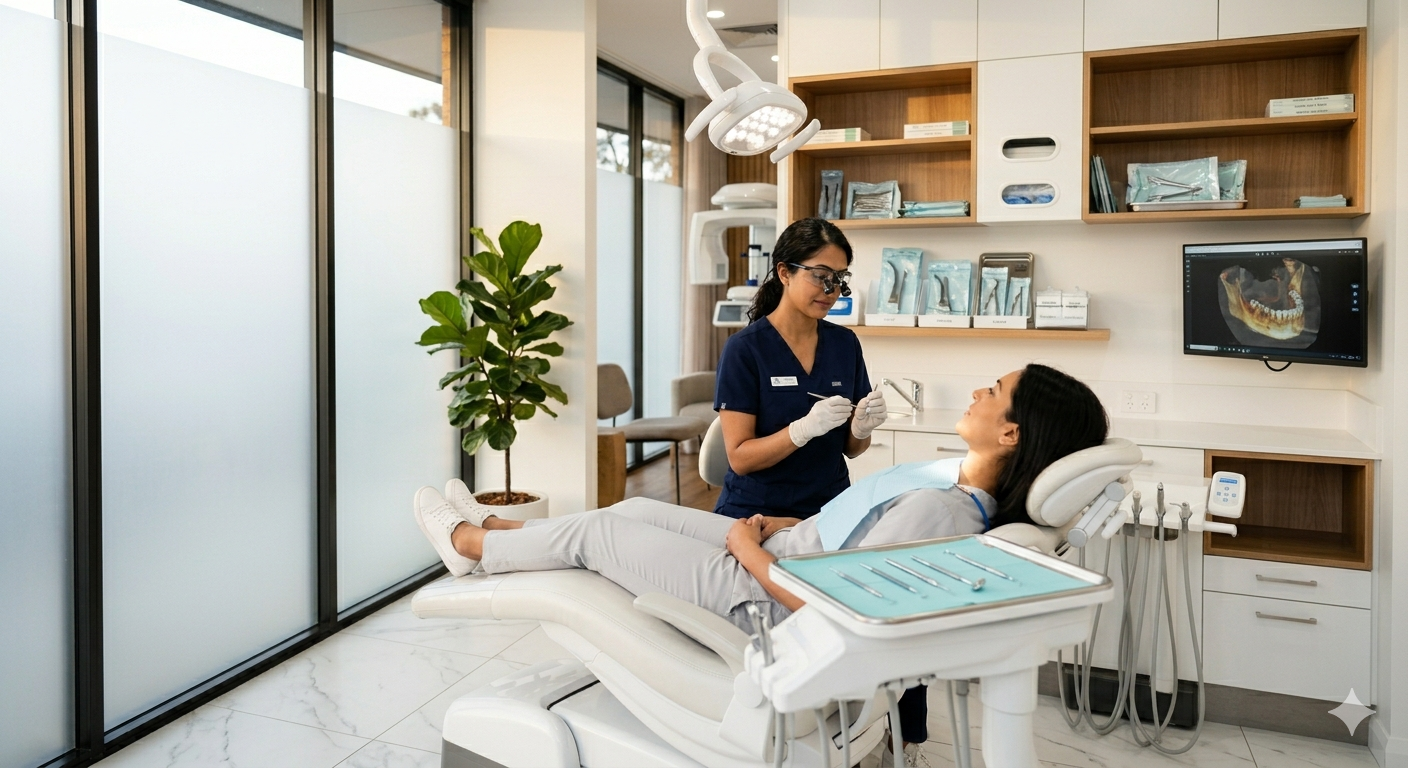
When a dental emergency strikes in Murrells Inlet, SC, knowing where to turn for quick, reliable care can make all the difference. Emergency dental care in Murrells Inlet focuses on relieving pain, preventing further damage, and restoring oral health as soon as possible. From sudden toothaches to knocked-out teeth, local dentists are prepared to handle urgent situations with compassion and expertise.
Many people worry about what qualifies as a true dental emergency and when they should seek immediate help. Whether it’s a severe infection, broken tooth, or lost filling, professional care is essential to avoid complications and ensure comfort. Understanding the options available nearby can ease that stress and help patients act confidently when time matters most.
Recognizing Dental Emergencies
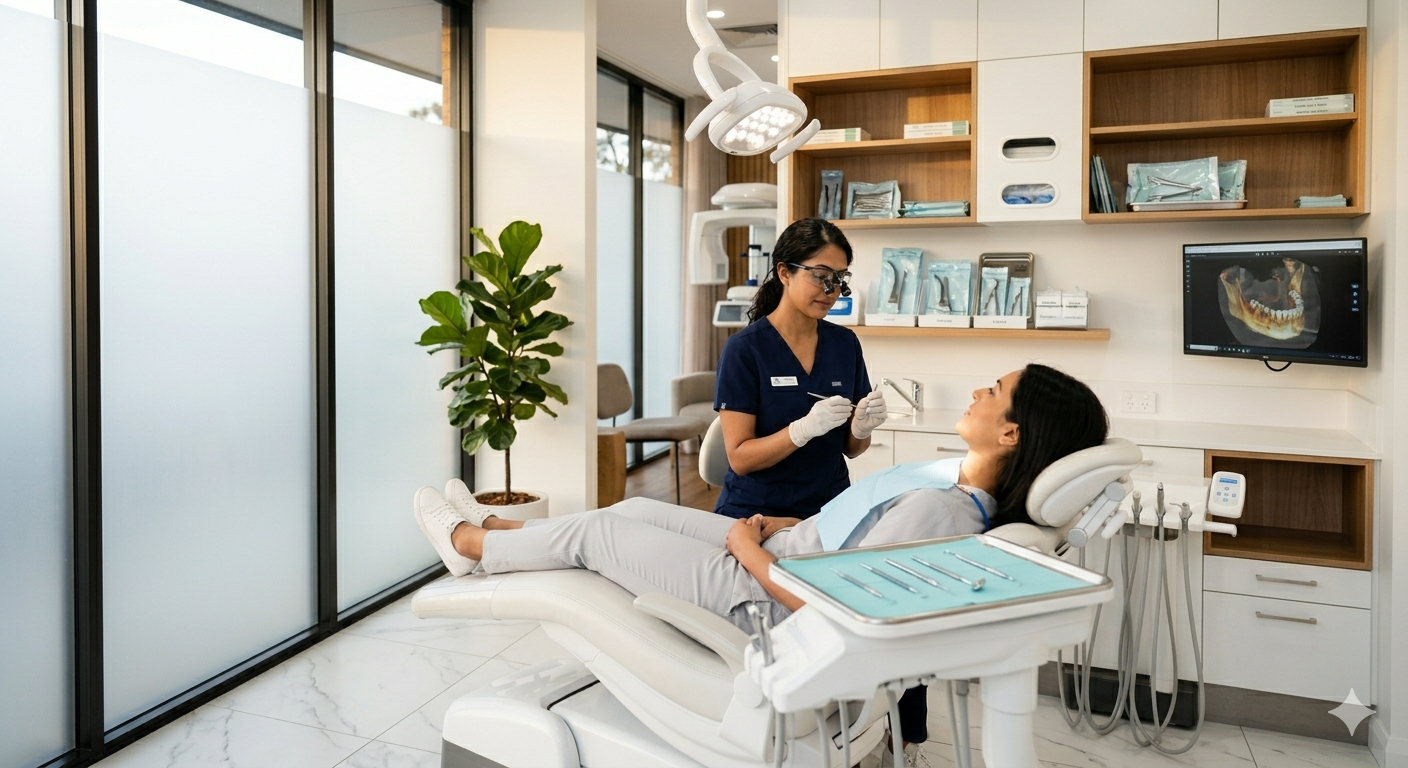
Knowing when a dental issue requires fast attention can protect your smile and reduce pain. Some problems are urgent and need immediate care, while others might wait a day or two. Understanding the signs can help decide the right course of action.
Common Signs You Shouldn’t Ignore
Severe pain that doesn’t ease with over-the-counter medicine is a clear warning. Swelling around the face or gums, especially if it affects breathing or swallowing, demands quick care. Bleeding from the mouth that won’t stop after 15 minutes is another red flag.
Other signs include a knocked-out tooth, a broken tooth with sharp edges, or any injury resulting in loose teeth. Fever paired with tooth pain could signal infection. Ignoring these symptoms may worsen the condition or lead to complications.
Differences Between Urgent and Non-Urgent Issues
Urgent dental problems often involve intense pain, visible damage, or bleeding. Examples include knocked-out teeth, severe infections, and uncontrollable bleeding. These situations need treatment within hours to prevent long-term damage.
Non-urgent issues might be minor chips without pain, mild sensitivity, or loose fillings without discomfort. These usually don’t require immediate attention but should be checked to avoid worsening. A dentist can schedule these for the next available appointment.
When to Seek Immediate Help
If a tooth is knocked out, it should be handled quickly. Keep the tooth moist, ideally in milk or a tooth preservation kit, and get to a dentist within an hour. Severe trauma to the mouth with jaw pain or inability to close the mouth also needs emergency care.
Uncontrolled bleeding, swelling that affects breathing, or intense pain not relieved by medication means urgent dental attention is necessary. Calling a Murrells Inlet emergency dental clinic right away is the best step to manage pain and prevent complications.
Steps to Take Before Reaching the Dentist
When facing a dental emergency, quick and careful actions can ease pain and prevent further damage. Knowing how to manage discomfort, protect injured teeth, and reduce infection risks is essential before professional help is available.
Home Care Tips for Managing Pain
For sudden tooth pain, rinsing the mouth gently with warm salt water can soothe inflamed gums. Over-the-counter pain relievers like ibuprofen are effective for reducing discomfort and swelling, but always follow the dosage instructions.
Applying a cold compress to the cheek near the painful area helps numb the pain and limit swelling. Avoid placing aspirin or other medications directly on the gums or tooth, as this can cause irritation. Eating soft foods and steering clear of hot, cold, or sugary items also minimizes pain until the dentist can see the patient.
Protecting a Dislodged Tooth
If a tooth is knocked out, it’s important to act quickly to save it. First, gently rinse the tooth with water if it’s dirty, handling it only by the crown (the part visible in the mouth). Avoid scraping or scrubbing the root.
The best step is to try placing the tooth back into its socket, holding it steady with clean fingers. If reinsertion isn’t possible, keep the tooth moist by placing it in a container with milk or saline solution. Avoid dry storage like tissues or water alone. Time is critical; patients should reach the dentist within an hour for the best chance of saving the tooth.
Preventing Infection Until Treatment
Cleanliness is key to preventing infection after trauma or dental injury. Patients should rinse their mouth gently but thoroughly with warm salt water several times a day. This helps flush out bacteria and soothes irritated tissue.
Avoid touching or poking the injured area with fingers or tongue. If swelling or bleeding is present, applying a cold compress and avoiding strenuous activities can help. Using an antiseptic mouthwash may reduce bacterial growth, but only if a professional does not advise against it. Monitoring for signs of infection, such as increased pain, redness, or pus, is crucial before the dental appointment.
Types of Dental Emergencies We Treat
Dental emergencies can vary widely, but timely care makes a big difference. Whether it’s intense pain, a damaged tooth, or an infection, each situation requires focused attention to protect the smile and comfort of patients in Murrells Inlet.
Severe Toothaches
Severe toothaches often signal an underlying problem like infection, decay, or nerve damage. Patients may experience sharp, throbbing pain that worsens when chewing or exposure to hot and cold. Ignoring this pain can lead to more serious issues.
The dental team quickly examines the affected tooth with X-rays and clinical evaluation to pinpoint the cause. Treatment may involve deep cleaning, root canal therapy, or prescribing antibiotics if infection is present. Effective pain management is a priority, using local anesthetics and medication when needed.
Broken or Chipped Teeth
A broken or chipped tooth can happen suddenly due to injury or biting hard objects. This not only affects appearance but may expose sensitive inner layers leading to discomfort or infection.
Dentists assess the damage and may smooth minor chips or bond material to restore shape. More extensive breaks might require crowns or veneers for strength and aesthetics. If the tooth’s nerve is exposed, root canal treatment could be necessary.
Lost Fillings or Crowns
Losing a filling or crown exposes the vulnerable area underneath, causing sensitivity and increasing infection risk. This often happens with wear over time or sudden impact.
Reattachment of crowns is possible if the tooth and crown are intact. Otherwise, replacement is necessary. For fillings, new material is applied after cleaning the cavity to prevent further decay. Interim protections like dental cement may be used to safeguard the area until repair.
Dental Abscesses
Abscesses are painful infections appearing as swollen, pus-filled pockets near the tooth root or gums. They can cause fever, swelling, and severe discomfort, requiring prompt treatment.
The dentist drains the abscess, cleans the infected area, and prescribes antibiotics to control infection. Root canal therapy or extraction might be needed depending on the tooth’s condition. Managing abscesses swiftly helps prevent the spread of infection and promotes quicker healing.
What to Expect During Your Emergency Visit
When you arrive for emergency dental care in Murrells Inlet, the team focuses on making you comfortable while quickly identifying the problem. They use precise tools to diagnose your condition and then clearly explain your treatment options to help you make informed decisions.
Comfort-Focused Care Approach
The dental staff prioritizes your comfort from the moment you walk in. They offer calming techniques like gentle conversation and sometimes mild sedation if the pain or anxiety is severe. The goal is to ease your stress while managing any pain effectively.
Staff will also provide pain relief options immediately, such as numbing agents or medication, so you can feel more at ease during the exam. They understand dental emergencies can be overwhelming and work to create a supportive, calming atmosphere.
Advanced Diagnostic Tools
Modern diagnostic technology plays a key role in fast and accurate care. Dentists use digital X-rays and intraoral cameras to get clear views of the problem area without discomfort or delays.
These tools help pinpoint issues like cracked teeth, infections, or bone damage quickly. This precise information allows them to tailor treatment quickly and efficiently, avoiding guesswork and minimizing your wait time.
Discussing Your Treatment Options
Once the problem is identified, the dentist explains all viable treatments in simple terms. They discuss the benefits, risks, costs, and timing, so you understand what’s involved and can weigh your options.
The team encourages questions and takes time to address your concerns. They might offer temporary fixes to relieve pain immediately, along with plans for long-term solutions. This collaborative approach ensures your care fits your needs and comfort level.
Aftercare Tips for a Smooth Recovery
Proper care after emergency dental treatment helps reduce discomfort, prevent complications, and supports faster healing. Following specific steps at home enhances recovery and lowers the risk of needing another urgent visit.
Managing Discomfort Post-Treatment
After emergency dental care, mild to moderate pain is common. Applying an ice pack to the cheek for 15-minute intervals during the first 24 hours helps reduce swelling and relieve pain. Over-the-counter pain relievers such as ibuprofen or acetaminophen are effective, but patients should follow dosage instructions carefully.
Avoid hot foods and beverages immediately after treatment. Soft, cool foods like yogurt or applesauce are gentler on sensitive areas. Patients should also refrain from vigorous rinsing or touching the treated site to avoid irritation or dislodging blood clots.
If discomfort worsens after a couple of days or if there is persistent bleeding or swelling, contacting the dental provider is important.
Preventing Future Emergencies
Good oral hygiene is key to avoiding emergency dental visits. Brushing twice daily with fluoride toothpaste and flossing once a day removes plaque and reduces the risk of decay and infection.
Wearing a custom night guard especially if teeth grinding is an issue can protect teeth from fractures. Also, limiting hard or sticky foods that can cause chips or breaks helps maintain dental health.
Regular dental checkups let the dentist spot potential problems early, preventing them from becoming emergencies.
When to Schedule a Follow-Up
Most emergency dental treatments require a follow-up visit to ensure proper healing. The dentist usually recommends returning within 1 to 2 weeks after the initial care.
During the follow-up, the dentist will check for signs of infection, proper restoration fit, and whether any additional treatment like root canal or crown placement is needed.
If the patient experiences new or worsening symptoms before the scheduled visit, such as sharp pain, pus discharge, or fever, they should seek care immediately.
Choosing the Right Dental Provider in Murrells Inlet
Finding a dental provider who fits your needs involves more than just location. Consider qualities like timely emergency response and gentle care along with practical details such as insurance acceptance to ensure smooth treatment.
Qualities to Look For
A good emergency dental provider in Murrells Inlet should be available outside regular office hours. Look for dentists who offer same-day appointments or after-hours care. This can significantly reduce your pain and discomfort during an emergency situation.
Compassionate communication matters, too. The staff should explain procedures clearly and patiently, helping you feel comfortable and informed. Modern equipment and cleanliness also reflect a commitment to quality care.
Patient reviews and local recommendations often reveal how well a provider handles stress and urgency. Prioritize those who maintain a calm environment while acting quickly.
Understanding Local Insurance and Payment Options
Dental emergencies can be unexpected and costly. It’s important to verify which providers accept your insurance plan in Murrells Inlet. Some dentists work with major carriers or specific local insurers, making claims and payments easier on your part.
Many offices offer flexible payment options like installment plans or discounts for uninsured patients. Confirming these details before an emergency helps avoid surprises during urgent visits.
Ask about out-of-pocket estimates for common emergency procedures such as tooth extractions or root canals. Knowing the potential cost upfront allows better budgeting and smoother care.
If you’re unsure about insurance coverage, the dental office’s billing staff can clarify benefits and help navigate claim issues efficiently.
The Importance of Preventive Dental Habits
Preventive dental habits are the first line of defense against many common emergencies. Brushing twice daily and flossing regularly help remove plaque and food particles that cause decay and gum problems. These simple routines reduce the risk of sudden pain or infection that might require urgent care.
Visiting a dentist in Murrells Inlet for regular check-ups allows professionals to spot issues early. Dentists can catch cavities, gum disease, or enamel wear before they turn into emergencies. This proactive approach saves time, discomfort, and often, money.
Lifestyle choices also play a crucial role. Cutting back on sugary snacks and drinks protects teeth from acid attack. Drinking plenty of water and avoiding tobacco supports healthier gums and a cleaner mouth environment.
Quick tips for strong preventive habits:
- Brush with fluoride toothpaste twice a day
- Floss daily to clean between teeth
- Limit sugary and acidic foods
- Schedule dental visits every six months
- Use mouthguards during sports
By adopting these habits, patients can enjoy healthier teeth and fewer unexpected dental problems. If concerns arise, timely consultation with a local Murrells Inlet dental expert ensures gentle, effective care without added stress.
Compassionate Support for Nervous Patients
Emergency dental visits can feel stressful, especially for those who are anxious about dental care. Murrells Inlet dentists understand this and prioritize creating a calm, supportive environment.
They often use gentle communication to explain each step before starting any procedure. This helps patients feel informed and less uncertain about what to expect.
Many offices offer comfort options like noise-canceling headphones, blankets, or sedation dentistry to help ease nerves. These choices can make a big difference for people who fear pain or discomfort.
Staff members are trained to recognize signs of anxiety and respond with patience and kindness. They work closely with patients to ensure their emotional needs are met throughout treatment.
Here are some common supports offered:
- Relaxation techniques and breathing exercises
- Sedation or anti-anxiety medications
- Flexible appointment scheduling for a calm pace
By combining technical skill with empathy, emergency dentists in Murrells Inlet aim to turn a stressful visit into a manageable, even positive, experience.
If anxiety is holding someone back from urgent dental care, reaching out for a consultation can be the first step toward relief and healing.
Encouragement to Reach Out for Prompt Care
When dental pain strikes, waiting can make things worse. Murrells Inlet residents are encouraged to seek emergency care as soon as possible to prevent minor issues from becoming serious problems.
Prompt attention means less discomfort, faster healing, and better results. Dentists in the area understand that unexpected dental problems are stressful and focus on providing quick, compassionate care.
Many dental emergencies, like a knocked-out tooth or severe toothache, need immediate action. It’s best to call early, even outside normal office hours, to get advice or schedule urgent treatment.
If someone notices swelling, persistent pain, or sudden damage to a tooth, it’s a good idea to reach out quickly. Early care can save the tooth and reduce the risk of infection.
Remember:
- Don’t ignore symptoms hoping they’ll go away.
- Use available emergency dental services without delay.
- Take comfort in knowing experts are ready to help with effective, gentle care.
Encouraging prompt communication helps build trust and ensures patients feel supported. If questions arise about dental concerns, contacting a Murrells Inlet emergency dentist can provide peace of mind and clear next steps.
Frequently Asked Questions
Emergency dental care often involves knowing when a problem needs immediate attention and how to manage pain or damage safely at home. Understanding these basics helps ensure patients get the right care without unnecessary delay.
What counts as a true dental emergency, and when can it safely wait until regular office hours?
True dental emergencies include severe pain, uncontrolled bleeding, knocked-out teeth, and significant infections. Minor issues like small chips, slight discomfort, or loose fillings usually can wait until regular office hours.
What should I do right away if I chip, crack, or break a tooth?
Rinse your mouth gently with warm water to clean the area. Avoid chewing on the damaged side and apply a cold compress to reduce swelling if needed.
If a tooth gets knocked out, how do I store it and how quickly do I need to be seen?
Hold the tooth by the crown and rinse it briefly if dirty—do not scrub. Place it in milk or a tooth preservation kit and seek dental care within an hour for the best chance of saving the tooth.
How can I calm severe tooth pain at home until I can get in to see a dentist?
Over-the-counter pain relievers like ibuprofen can help reduce inflammation and pain. Applying a cold pack outside the cheek may numb the area, but avoid placing aspirin or medications directly on the gums.
What should I do if I have swelling, an abscess, or signs of infection in my mouth or jaw?
Swelling or pus indicates an infection that needs prompt dental care. Rinse with warm salt water for comfort, but do not ignore the symptoms, as infections can spread and require antibiotics or drainage.
What can I expect during an urgent dental visit, and what treatment options are available to keep me comfortable?
The dentist will first assess pain, swelling, and damage to prioritize treatment. Options include pain management, temporary restorations, root canals, or extractions, all aimed at relieving discomfort quickly and preventing further issues.