
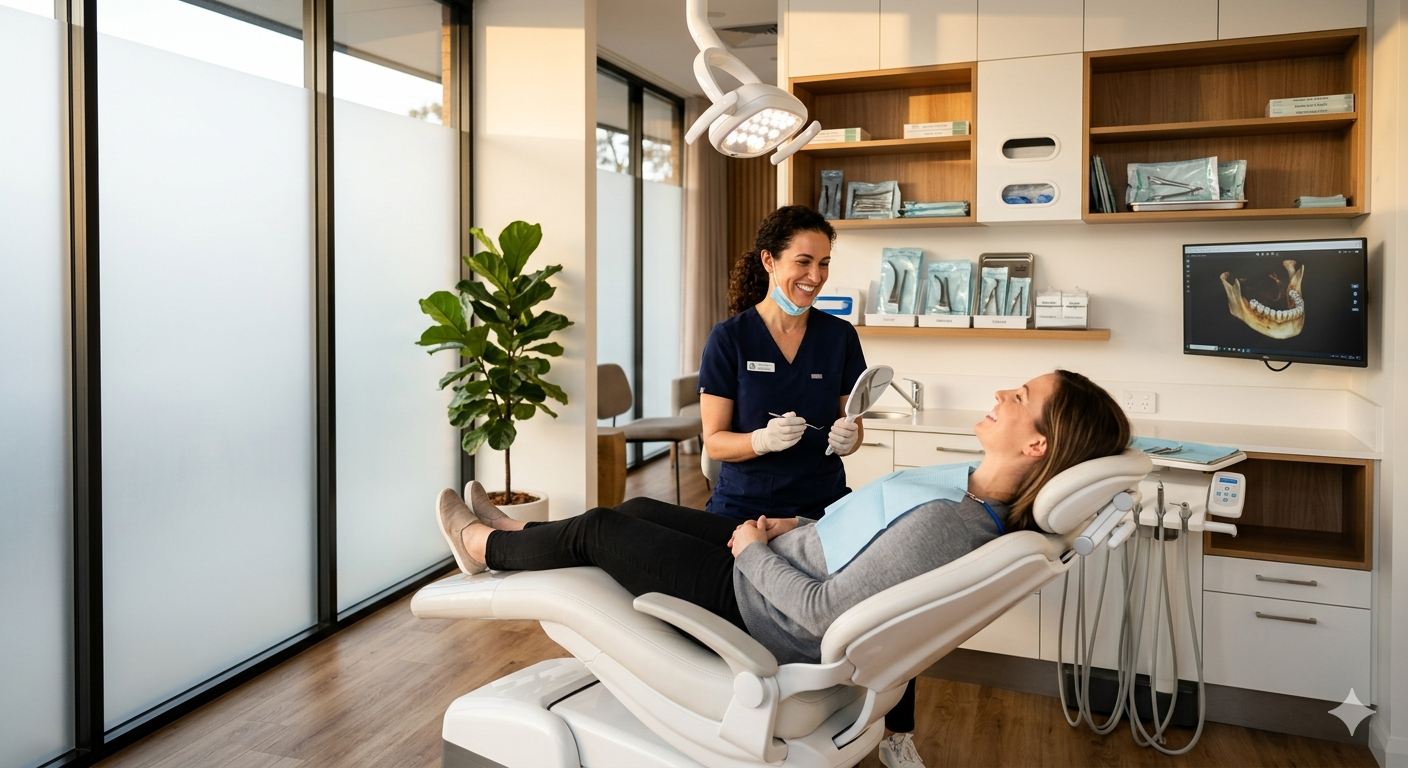
Thinking about affordable veneers in Murrells Inlet? You’ll find clear options nearby that balance cost, comfort, and a natural look so you can decide whether veneers fit your smile goals. Affordable veneer solutions in Murrells Inlet often combine local, experienced dentists, flexible material choices, and payment options to deliver a quality, budget-conscious smile upgrade.
They explain how veneers work, compare low-cost options like composite and economy porcelain, and outline a personalized process that keeps comfort and longevity in mind. Expect guidance on aftercare, benefits beyond aesthetics, and how to pick a trustworthy local practice so you can take confident next steps toward the smile you want.
Understanding Dental Veneers
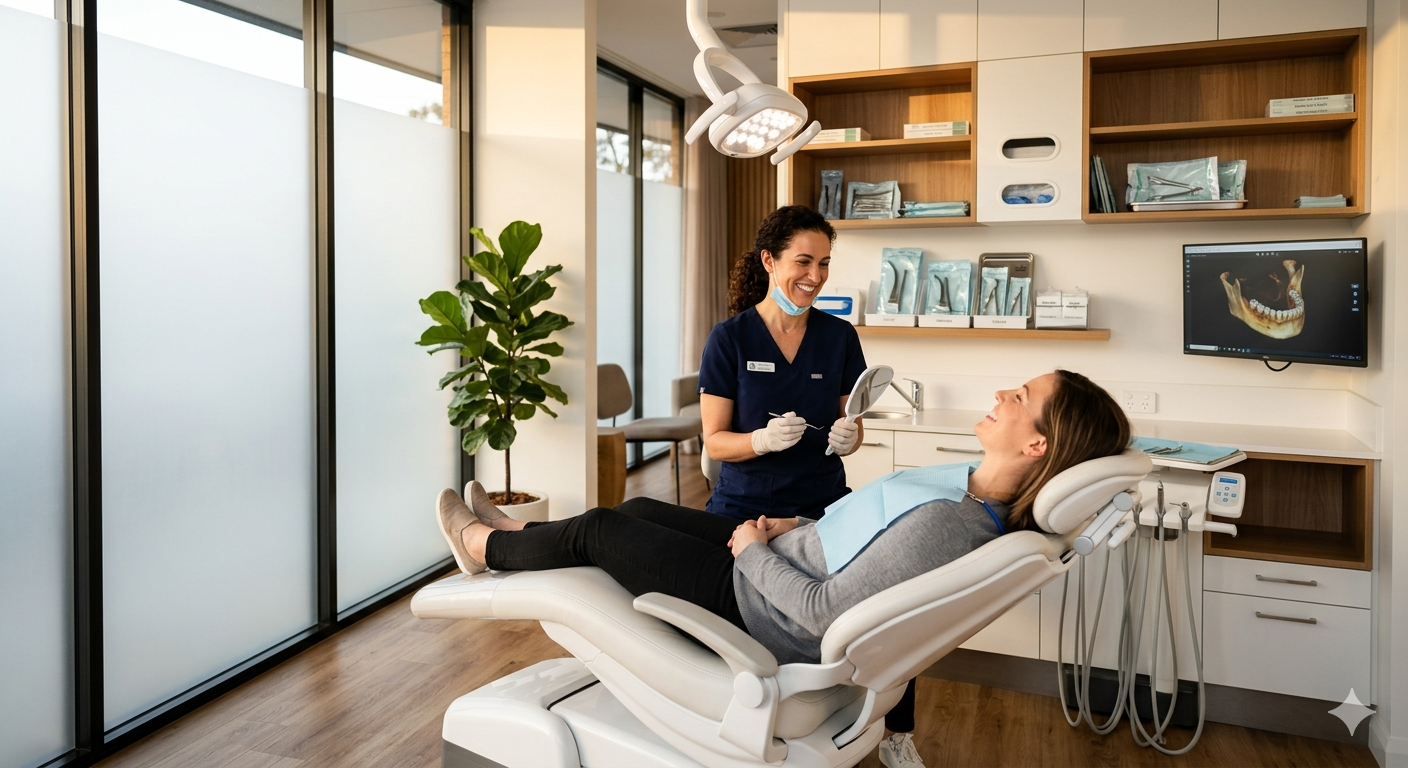
Veneers improve tooth appearance by covering the front surface with thin shells. They change color, shape, and minor alignment while preserving most natural tooth structure.
What Veneers Are and How They Work
Dental veneers are thin shells of porcelain or composite bonded to the front of teeth. Porcelain veneers resist stains and mimic enamel translucency; composite veneers cost less and can be placed in one visit but stain more over time.
The dentist first evaluates bite, tooth structure, and shade, then plans the shape and prep. For porcelain, the tooth is lightly reduced (about 0.3–0.7 mm), an impression is taken, and a lab fabricates the veneer. For composite, the material is sculpted directly onto the tooth and cured with light.
Bonding uses a strong dental adhesive that chemically bonds the veneer to enamel for durable retention. Proper fit, occlusion adjustment, and polishing reduce sensitivity and wear. With good oral hygiene and routine check-ups, veneers commonly last 8–15 years depending on material and habits.
Who Makes a Good Candidate
Ideal candidates have healthy teeth and gums, enough enamel for bonding, and realistic cosmetic goals. People with extensive decay, uncontrolled gum disease, or very thin enamel may need treatment or alternative restorations first.
Those with large gaps, chips, stains resistant to whitening, or mildly crooked teeth often benefit most. Patients who clench or grind heavily should address bruxism with a nightguard before veneers to prevent damage. Teenagers are usually not recommended until teeth and jaw development are complete.
A thorough exam, X-rays, and discussion of expectations help determine candidacy. Cost, maintenance, and potential need for future replacement also factor into the decision-making process.
Common Reasons Patients Choose Veneers
Stain-resistant porcelain veneers appeal to patients with teeth that don’t respond to whitening agents, such as tetracycline stains. Veneers also reshape worn, chipped, or irregularly sized teeth to create a balanced smile quickly.
Patients often choose veneers to close mild gaps or correct minor crowding without braces. Veneers provide consistent color and symmetry, which helps photos, job interviews, or public-facing roles where appearance matters.
Many seek veneers for long-term cosmetic improvement with conservative tooth removal compared with crowns. Dentists emphasize preventive care and realistic expectations, and they encourage patients to ask about costs, materials, and maintenance before deciding.
Options for Affordable Smile Transformations
This section explains the most practical veneer choices, realistic cost-saving options, and common financing routes people use in Murrells Inlet to make veneers affordable without sacrificing quality.
Types of Veneer Materials Compared
Porcelain veneers offer the most natural appearance and stain resistance. They usually last 10–15 years with proper care, but lab fabrication raises the cost compared with other options.
Composite resin veneers cost less and can often be placed in a single visit. They typically last 5–7 years and are easier and cheaper to repair, though they stain and chip more readily than porcelain.
Lumineers (ultra-thin porcelain) require minimal tooth reduction and appeal to patients wanting a conservative approach. They sit between porcelain and composite in cost and longevity, but not every case is suitable.
Temporary or mock-up veneers let patients preview results before committing to permanent work. They add modest expense upfront but reduce the risk of costly revisions later.
Budget-Friendly Choices
Choosing a local dental practice in Murrells Inlet that offers in-house fabrication or partners with an affordable, reputable lab can cut costs by 10–30% compared with high-end urban labs. Patients should request itemized estimates showing lab fees, dentist time, and temporary work.
Opting for composite veneers or partial veneers (veneering only visible front teeth) reduces material and lab costs. Conservative tooth preparation lowers the need for anesthesia and the complexity of the procedure, trimming fees.
Look for promotions, bundled cosmetic packages, or seasonal discounts many practices run for new patients. Patients should verify credentials and read patient reviews to ensure lower prices don’t come at the expense of quality.
Payment Plans and Financing Solutions
Many Murrells Inlet dentists offer no-interest plans for 6–12 months or low-interest plans for 12–60 months through third-party lenders like CareCredit or LendingClub. Patients should compare the APR, monthly payment, and total repayment before signing.
In-house financing spreads costs with predictable monthly installments and may include discounts for full upfront payment. Patients should request a written schedule that lists down payment, monthly amount, and final payment date.
Health savings accounts (HSA) or flexible spending accounts (FSA) can cover cosmetic dentistry if a tooth’s function is improved; patients should confirm eligibility with their plan administrator. Dental insurance rarely covers purely cosmetic veneers, so documentation showing medical necessity can help if applicable.
Personalized Veneer Process in Murrells Inlet
Patients in Murrells Inlet receive a tailored veneer plan that balances esthetics, function, and budget. The team prioritizes comfort, clear timelines, and predictable results from the first consult through final placement.
What to Expect During Your Consultation
The consultation begins with a focused oral exam and records collection: photographs, digital X-rays, and intraoral scans as needed. The dentist reviews tooth alignment, bite (occlusion), gum health, and any staining or chips that veneers will address.
They discuss material choices (porcelain vs. composite), life expectancy, and realistic esthetic goals using before-and-after photos from similar cases. The clinician explains costs, insurance considerations, and financing options so the patient understands out-of-pocket estimates.
Expect a conversation about tooth preparation—how much enamel might be removed—and alternatives like whitening or orthodontics if those produce better value. The practice answers questions about sensitivity, maintenance, and follow-up visits to set clear expectations.
Step-by-Step Overview of Treatment
Step 1: Preparation visit — local anesthesia is used if needed, and the dentist trims enamel to create space for veneers. Exact reduction is conservative, typically 0.3–0.7 mm for porcelain veneers.
Step 2: Impressions and temporary veneers — the team takes digital or physical impressions and provides temporary restorations to protect teeth and preview shape and color. Temporaries help the patient confirm esthetics and function.
Step 3: Lab fabrication — the dental lab crafts veneers to match shade, translucency, and bite. For same-day options, chairside-milled porcelain may allow single-visit delivery.
Step 4: Try-in and bonding — veneers are tried on, minor adjustments are made, and the dentist bonds each veneer with a resin cement. Final polishing ensures a natural gloss and comfortable margin fit.
Step 5: Recall and maintenance — a 1–2 week check and routine six-month hygiene visits monitor fit and gum health. Patients receive care instructions to protect veneers from clenching, hard foods, and staining.
Digital Smile Design and Custom Fitting
Digital Smile Design (DSD) integrates photos, video, and 3D scans to craft an individualized smile preview. The dentist uses the digital mockup to adjust tooth shape, length, and symmetry until the patient and clinician agree.
Custom fitting relies on precise bite registration and occlusal analysis to prevent high spots that cause wear or sensitivity. The lab uses shade-matching guides and often sends layered porcelain samples to replicate translucency and surface texture.
Patients review a simulation and can request incremental changes before fabrication. This collaborative approach reduces surprises and improves long-term satisfaction by aligning esthetic goals with functional planning.
Benefits Beyond Beauty
Affordable veneers in Murrells Inlet offer more than an improved smile; they can change how patients speak, bite, and feel about themselves. The following points highlight confidence, oral function, and daily comfort improvements that matter most to someone considering veneers.
Boosting Confidence with a New Smile
Patients who choose veneers often report immediate improvements in self-image. Covering chips, stains, and gaps with thin porcelain or composite shells creates a consistent, natural-looking tooth surface that blends with surrounding teeth. That predictable aesthetic reduces self-consciousness in social and professional settings.
The procedure minimizes visible flaws without drastic reshaping, so patients retain their unique dental character while gaining a uniform appearance. For those who avoid smiling in photos or on dates, veneers can restore willingness to engage, speak, and laugh openly. Dentists in Murrells Inlet typically use digital previews so patients see the expected result before treatment begins.
Improving Oral Health and Function
Veneers can protect teeth from further wear and minor fractures by reinforcing weakened enamel with a durable outer layer. When applied to teeth with small chips or slight misalignment, veneers can improve bite distribution and reduce uneven pressure that causes sensitivity or further chipping.
Proper case selection matters: veneers suit teeth with adequate remaining enamel and manageable alignment issues. A local dentist will evaluate gum health, tooth structure, and bite to ensure veneers do not compromise oral health. Regular checkups and good home care keep veneers and underlying teeth healthy long-term.
Enhancing Everyday Comfort
Well-fitted veneers feel natural and rarely interfere with speech or chewing once the patient adapts. Modern materials and conservative preparation preserve more tooth structure than older techniques, reducing postoperative sensitivity for many people.
Patients often notice smoother tooth surfaces that are less prone to trapping food and staining, which simplifies daily hygiene. If a veneer ever chips or loosens, a skilled Murrells Inlet dentist can often repair or replace it quickly, restoring comfort with minimal disruption.
Caring for Your New Veneers
Daily habits, gentle cleaning, and timely professional checkups keep veneers looking natural and lasting longer. Patients should use non-abrasive care products, avoid high-risk foods and behaviors, and attend scheduled dental visits to catch problems early.
Daily Maintenance Tips
Brush twice daily with a soft-bristle toothbrush and a non-abrasive fluoride toothpaste to remove plaque without wearing the veneer edges. Use gentle, circular strokes along the gumline and veneers; avoid heavy scrubbing that can roughen the surface.
Floss once daily using regular floss or a floss threader to clean between veneers and natural teeth. Sliding the floss up and down under the contact points prevents food packing and protects underlying gum tissue.
Rinse with an alcohol-free, fluoride mouthwash after meals if recommended by the dentist. Alcohol can weaken cement bonds and dry mouth increases decay risk, so patients with dry mouth should discuss alternatives.
Consider a water flosser for tight contacts or implants; it reduces pressure on the veneers while effectively removing debris. If grinding or clenching occurs, ask the dentist about a custom nightguard to prevent chips and excessive wear.
What to Avoid for Lasting Results
Avoid biting hard objects—ice, pen caps, and opening packages with teeth can chip porcelain or composite veneers. Eating crunchy foods like hard candy should be done cautiously or avoided when possible.
Steer clear of stain-causing habits such as heavy coffee, tea, red wine, or tobacco use, especially for composite veneers which stain more easily than porcelain. When consuming staining beverages, use a straw and rinse with water afterward.
Do not use whitening toothpaste or bleaching products on porcelain veneers; these won’t change the veneer color and may create color mismatch with natural teeth. If whitening is desired, have it done before veneer fabrication to match shade precisely.
Avoid acidic drinks and frequent snacking, which increase erosion and decay risk at the veneer margins. Maintain regular fluoride exposure and discuss desensitizing agents with the dentist if sensitivity develops at the margins.
Professional Care and Follow-Up Visits
Schedule a follow-up visit about two weeks after veneer placement so the dentist can check fit, bite, and cement integrity. Early adjustment of occlusion prevents uneven forces that cause fractures over time.
Attend routine dental cleanings every 3–6 months or as recommended; hygienists use non-abrasive polishing pastes and gentle instrumentation around veneers. Professional cleanings remove mineral buildup that home care may miss.
Report chips, loosened veneers, or persistent sensitivity immediately rather than waiting for the next appointment. Quick repairs often preserve more tooth structure and cost less than delayed treatment.
Discuss periodic radiographs and margin assessments during visits to detect decay under veneers early. The dentist will advise maintenance intervals and any protective appliances tailored to each patient’s bite and habits.
Choosing the Right Dentist in Murrells Inlet
Choosing a dentist for veneers requires checking credentials, experience with cosmetic cases, and clear cost options. Patients should prioritize dentists who combine technical skill with compassionate care and transparent pricing.
Qualities to Look For
Look for a dentist who is a member of the American Academy of Cosmetic Dentistry (AACD) or who shows advanced cosmetic training certificates. Experience matters: ask how many veneer cases the dentist has completed in the last year and request before-and-after photos of patients with similar tooth shapes and shade goals.
Evaluate the clinic’s technology: digital smile design, intraoral scanners, and same-day temporaries improve predictability. Consider staff behavior — gentle chairside manner, clear explanations, and a calm operatory signal patient-centered care. Check reviews for consistent comments about comfort, punctuality, and follow-up care.
Confirm lab partnerships and material options (porcelain vs. composite) and whether the dentist does the prep and bonding personally. Also verify sedation options, warranty or repair policies on veneers, and how they handle complications such as sensitivity or chipping.
Questions to Ask at Your Consultation
Start with concrete questions: “How many veneer cases have you done?” and “Can I see my case’s before-and-after photos?” These reveal experience and aesthetic range. Ask which veneer material they recommend and why, and how it fits your budget and longevity expectations.
Discuss the full treatment plan: ask about tooth preparation, number of visits, use of a digital mockup, and whether temporaries are provided. Ask about total cost, payment plans, and what is included—laboratory fees, follow-up visits, and possible touch-ups.
Clarify risks and maintenance: “What sensitivity should I expect and how long will it last?” and “What are the chances a veneer will chip and how is repair handled?” Finally, ask about warranties or guarantees, and get a written estimate and timeline before committing.
Next Steps Toward Your Dream Smile
They can start by scheduling a consultation with a local Murrells Inlet dentist who offers affordable veneers. During that visit, the dentist will review medical history, examine teeth, and discuss aesthetic goals in plain terms.
A typical evaluation includes X-rays and photos to plan veneer size, shape, and shade. Patients learn whether porcelain or composite veneers fit their budget and lifestyle, with clear pros and cons for each.
Financing and payment options often make veneers more accessible. Many practices provide payment plans, third-party financing, or dental membership plans to spread costs into manageable monthly amounts.
Preparation usually requires minimal enamel removal and one or two short visits for porcelain veneers. For composite veneers, treatment may finish in a single appointment, reducing time and cost for many patients.
They should ask specific questions: expected lifespan, maintenance steps, sensitivity risks, and realistic before-and-after expectations. Requesting to see before-and-after photos from the practice helps set achievable goals.
To protect the investment, follow recommended oral hygiene and schedule regular cleanings. Night guards or bite adjustments may be advised if grinding is a concern.
If they want to move forward, call the practice to book a consultation or use the online form to request an appointment. Asking about a virtual consult can be a convenient first step for busy schedules.
Frequently Asked Questions
This section answers common concerns about costs, comfort, longevity, materials, and pre-treatment needs for veneers in Murrells Inlet, SC. It gives specific price ranges, practical alternatives, what to expect during visits, care tips to extend lifespan, material trade-offs, and guidance on treating dental issues before veneers.
How much do veneers typically cost, and what factors can make the price go up or down?
Veneers in Murrells Inlet commonly range from about $800 to $2,000 per tooth for porcelain. Composite veneers often cost less, typically $250 to $700 per tooth.
Prices rise if a dentist uses premium porcelain, lab-fabricated custom shading, or requires multiple visits. Costs also increase for preparatory work such as root canals, gum treatments, or significant reshaping.
Insurance rarely covers cosmetic veneers, but partial coverage can apply if treatment corrects functional problems. Many local practices offer financing or payment plans to spread cost over months.
Are there budget-friendly alternatives to veneers that still look natural?
Dental bonding provides a budget-friendly option that restores shape and color for chipped or stained teeth. It uses composite resin applied directly to teeth and often costs a fraction of porcelain veneers.
Teeth whitening can address discoloration without altering tooth structure, and clear aligners correct minor spacing issues. These options cost less and may solve the appearance concern without committing to veneers.
Do veneers hurt, and what can I expect during the appointment and recovery?
Dentists usually use local anesthesia during tooth preparation, so patients feel little to no pain during the procedure. Discomfort after the appointment is typically mild and lasts a few days; over-the-counter pain relievers usually suffice.
Composite bonding can often be done in one visit with minimal sensitivity. Porcelain veneers require at least two visits—preparation and final placement—with temporary veneers in between.
How long do veneers usually last, and what can I do to help them last longer?
Porcelain veneers generally last 10–15 years with proper care. Composite veneers typically last 5–7 years before needing repair or replacement.
Good habits extend lifespan: avoid biting hard objects, use a soft-bristled toothbrush, floss daily, and wear a nightguard if grinding teeth. Attend regular dental check-ups every 6 months for professional cleaning and early problem detection.
What’s the difference between porcelain veneers and composite veneers, and which is more cost-effective?
Porcelain veneers are lab-made, stain-resistant, and mimic light like natural enamel, offering superior aesthetics and longevity. Composite veneers are applied and sculpted directly in the chair, costing less but staining and wearing faster.
For long-term value, porcelain often proves more cost-effective despite higher upfront cost because it lasts longer and requires fewer replacements. For a lower immediate budget or quick repair, composite is a practical choice.
Can I get veneers if I have cavities, gum issues, or need an emergency dental visit first?
Dentists must treat active decay and gum disease before placing veneers to ensure a stable foundation. Emergency issues like abscesses, broken teeth, or severe pain require immediate treatment and may delay cosmetic work.
After restorative or periodontal treatment, the dentist will reassess readiness for veneers and recommend the appropriate timeline. Many practices in Murrells Inlet coordinate necessary repairs and cosmetic follow-up to streamline care and comfort.