
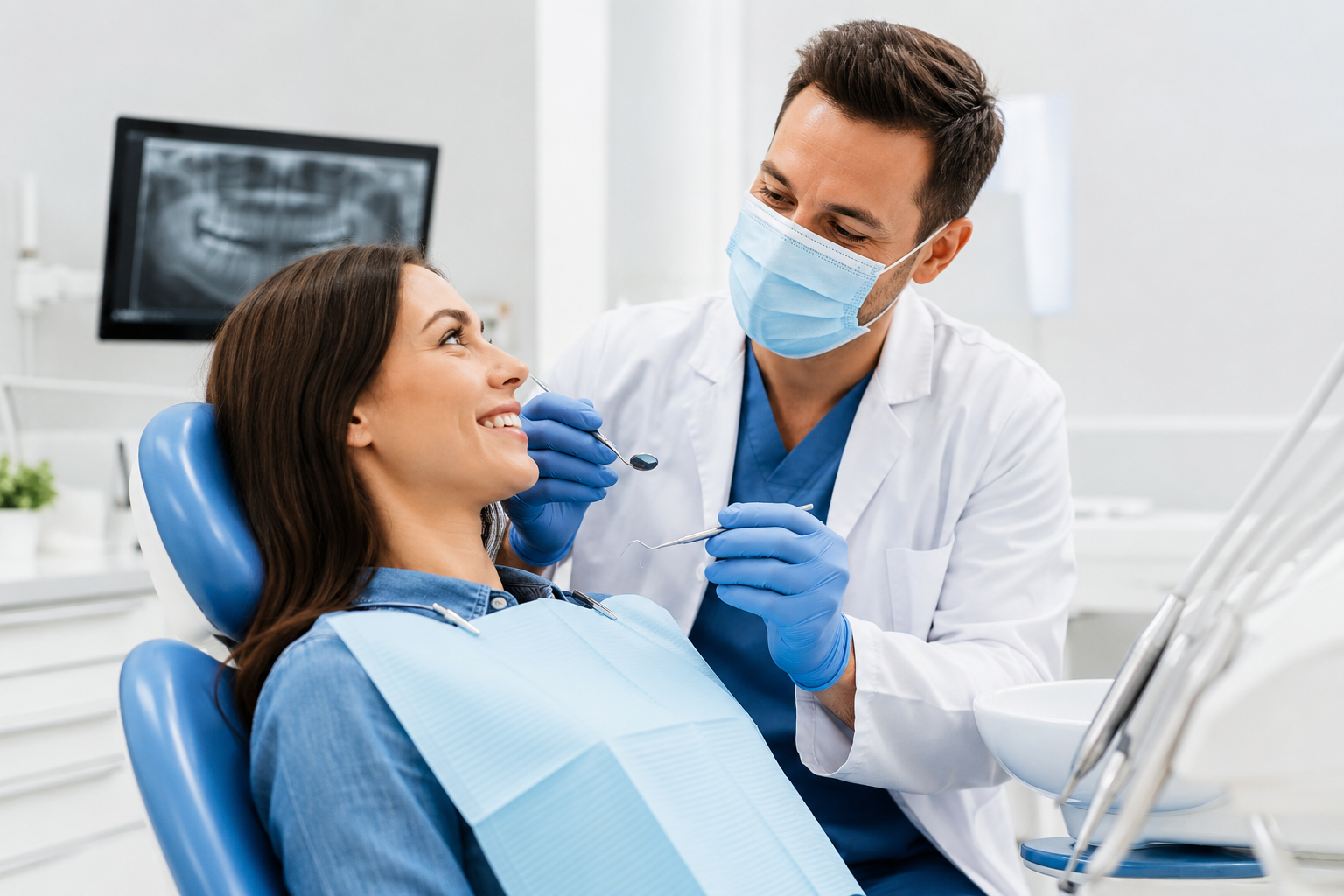
You’ll find a family dentist in Murrells Inlet, SC who makes dental care simple, comfortable, and tailored to every age. They focus on preventive care, modern treatments, and a kid-friendly approach so everyone in your household gets the care they need without stress.
A local family dentist can handle routine cleanings, fillings, preventive guidance, and gentle care for children and seniors under one roof, making visits easier for your whole family.
Expect a calming office, clear explanations of treatment options, flexible scheduling, and a straightforward first-visit experience that puts comfort and communication first.
The Importance of Family Dentistry
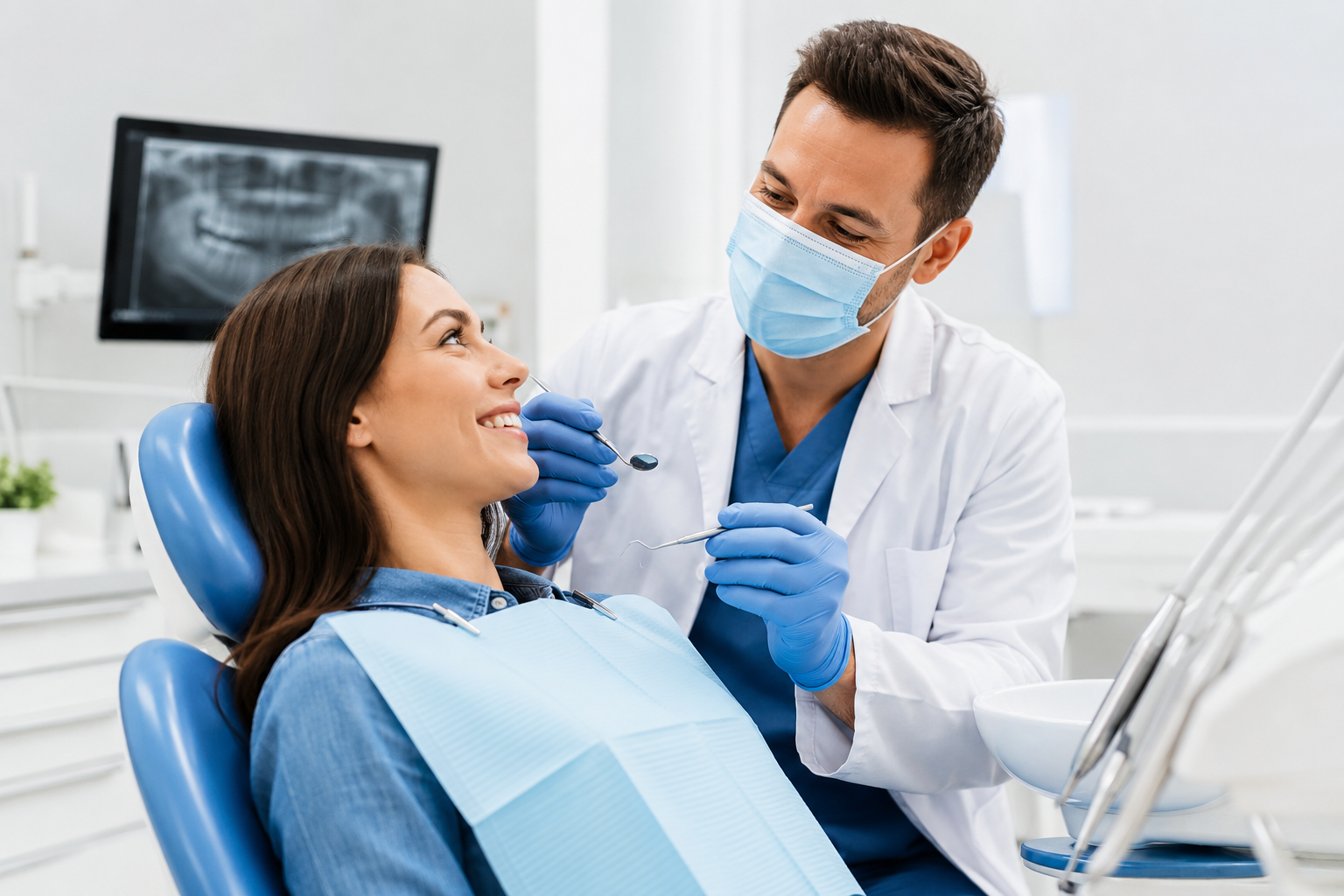
Family dentistry supports healthy teeth across all ages by combining prevention, routine care, and treatments tailored to each stage of life. It helps parents manage childhood dental development, adults maintain restorative work, and seniors preserve function and comfort.
Building Lifelong Oral Health Habits
Family dentists teach practical daily habits that fit busy routines. They show exactly how to brush and floss for different ages — for example, a two-minute brushing routine with a soft-bristled brush for children and interdental brushes or floss picks for adults with tight contacts.
They monitor developmental milestones like the timing of first molars and advise on pacifier use or thumb-sucking reduction when needed. Fluoride varnish applications and dental sealants get explained as specific preventive measures that reduce cavities by strengthening enamel and protecting chewing surfaces.
Counseling also covers diet choices tied to tooth decay risk, such as limiting frequent sugary snacks and recommending water between meals. Parents receive concrete steps to make oral care consistent, including charts, timed brushing apps, and family flossing routines that normalize care for kids.
Tailored Care for Every Family Member
Family dentists personalize treatments based on age, medical history, and lifestyle. For infants, they focus on eruption patterns and preventing early childhood caries; for teenagers, they address orthodontic referrals and sports-related mouthguard needs.
Adults receive periodontal screenings, restorative options like composite fillings or crowns, and cosmetic choices when desired. For older adults, care emphasizes managing dry mouth, medication-related issues, and maintaining dentures or implants for chewing and speech.
Treatment plans list clear options with expected outcomes and timelines, such as choosing a bonded composite for a small front-tooth chip vs. a porcelain veneer for larger cosmetic concerns. The practice coordinates referrals — for example, to pediatric specialists or periodontists — when advanced care is necessary.
Preventive Visits and Their Long-Term Benefits
Regular checkups every six months catch problems early and reduce costly procedures later. During visits, clinicians perform exams, digital X-rays when indicated, professional cleanings, and targeted screenings for gum disease and oral cancer.
Proactive measures like topical fluoride, sealants for molars, and tailored hygiene instructions lower cavity rates and prevent progression of gum disease. Records of changes in bite, wear patterns, or restorations allow timely maintenance rather than emergency fixes.
Insurance-friendly scheduling and family appointment blocks simplify attendance, increasing the likelihood of consistent care. Documented preventive care also helps with chronic condition management, as dentists can coordinate with physicians on issues like diabetes-related periodontal risk.
Comprehensive Services Offered
Charlotte Murrells Inlet Family Dentistry provides preventive care, cosmetic enhancements, and durable restorative treatments. Their team emphasizes patient comfort, evidence-based techniques, and clear explanations so patients know what to expect at every visit.
Gentle Cleanings and Exams
The practice performs routine cleanings with ultrasonic scalers and hand instruments to remove plaque and tartar, followed by fluoride varnish when indicated. Hygienists assess gum health, measure pocket depths, and document any bleeding or recession to catch periodontal disease early.
Digital X-rays and intraoral photos are used during exams to show patients exact findings and track changes over time. The dentist reviews bite alignment, oral cancer screens, and eruption patterns for children, then explains preventive steps such as sealants or tailored home-care tips.
Appointments prioritize comfort: topical anesthetic for sensitive gums, noise-reducing headphones, and pausing for patient questions. Charting and recall schedules help maintain on-time six-month visits or more frequent care when medically necessary.
Professional Teeth Whitening Options
They offer in-office whitening with concentrated hydrogen peroxide gels and custom take-home trays made from impressions or digital scans. In-office treatment delivers faster visible results—usually one to two shades in a single 60–90 minute session.
Custom trays allow controlled at-home whitening that reduces sensitivity compared with over-the-counter kits. The dentist assesses restorations and matches shade goals so crowns or veneers can be planned if whitening won’t affect existing prosthetics.
Candidates receive a pre-whitening exam to check for cavities, gum disease, and enamel defects. The office provides sensitivity management strategies, such as desensitizing agents and staged whitening protocols, to keep treatment comfortable.
Restorative Solutions for Damaged Teeth
Restorative care includes composite fillings, tooth-colored onlays and crowns, and full-mouth rehabilitations when needed. The clinic uses CAD/CAM technology for same-day ceramic crowns in many cases, minimizing temporary restorations and multiple visits.
For larger defects, they offer root canal therapy followed by posts and crowns to restore function and prevent tooth loss. Options for missing teeth include fixed bridges, implant placement with prosthetic restoration, and removable partial dentures; the team discusses timelines, costs, and maintenance for each.
They emphasize conservative preparations to preserve tooth structure and provide written aftercare instructions for sensitivity, chewing, and follow-up checks. Insurance coordination and financing plans are available to help patients proceed with recommended treatment.
Kid-Friendly Dental Care
This practice focuses on making dental visits comfortable, educational, and preventive for children. Parents learn practical tips while children receive age-appropriate exams and treatments designed to protect smiles early.
Fun and Educational Visits for Children
The team uses short, structured visits to build trust: a quick “meet and greet,” a gentle exam, and a simple cleaning or fluoride as needed. Staff explain each step in child-friendly language and demonstrate tools on a puppet or stuffed animal so children know what to expect.
They schedule appointments at calmly paced times—often mornings—to reduce fatigue and anxiety. Clinics offer distraction options like cartoons or headphones, and the hygienist praises positive behavior with stickers or small rewards to reinforce cooperation.
Parents receive concrete home-care instructions: brushing twice daily with a pea-sized fluoride toothpaste, flossing once teeth touch, and timing snacks to limit acid exposure. The office also provides written charts for tracking brushing, which helps establish routines at home and improves cavity prevention.
Dental Sealants and Fluoride Treatments
Dental sealants are thin, BPA-free resin coatings applied to molars’ chewing surfaces to block food and bacteria from deep grooves. The process takes about 10–15 minutes per tooth: teeth are cleaned, lightly etched, rinsed, and the sealant cured with a safe blue light. Sealants typically last several years and get checked at routine visits.
Topical fluoride varnish strengthens enamel and reduces decay risk by remineralizing early spots. Application is quick, non-invasive, and suitable for children as young as primary molars erupt. The office documents each treatment in the child’s chart and recommends reapplication frequency based on caries risk—commonly every 3–6 months for higher-risk kids.
Both interventions pair with individualized dietary advice and oral hygiene coaching. Parents receive clear follow-up guidance: avoid hard or sticky foods immediately after sealant placement and delay brushing for a few hours post-fluoride varnish to maximize benefit.
Patient Comfort and Modern Amenities
The practice focuses on tangible comforts and up-to-date equipment that reduce anxiety and speed recovery. Patients can expect thoughtful touches in the waiting area, treatment rooms, and communication about procedures.
Creating a Relaxing Environment
The office uses soft, adjustable lighting and neutral decor to lower visual stimulation and create a calming atmosphere. Waiting-room seating includes ergonomic chairs and a separate children’s area, and magazines and TV options cater to different age groups.
Patients can request noise-cancelling headphones or a weighted blanket during procedures. Treatment rooms feature ceiling-mounted TVs positioned for comfortable viewing and temperature controls to match personal preference.
Reception staff offer streamlined check-in with digital forms and appointment reminders by text or email. This reduces time in the lobby and limits paperwork, which helps patients feel more in control and less stressed.
Pain-Free Approaches to Treatment
Local anesthesia is standard, but the dentist also offers topical numbing gel with a fast-acting needle to minimize injection discomfort. For patients with higher anxiety, nitrous oxide (laughing gas) is available and titrated to safe levels under supervision.
For procedures that commonly cause post-op soreness, the practice uses long-lasting anesthetics and provides clear, written aftercare instructions. They stock prescription and over-the-counter pain-management options and explain dosing in plain language.
Minimally invasive techniques—such as air abrasion for small cavities and digital impressions instead of traditional molds—reduce chair time and tissue trauma. The team reviews alternatives and expected sensations before starting, so patients know what to expect and can consent comfortably.
Convenient Location and Flexible Scheduling
The practice sits within easy reach of homes, schools, and workplaces, and offers appointment options designed for family routines. Patients can expect clear directions, nearby parking, and hours that reduce disruption to the school or workday.
Serving Charlotte Murrells Inlet SC
The office serves Charlotte, Murrells Inlet, and the surrounding Horry County communities, including Garden City and Myrtle Beach. It is located near US-17 and SC-707, making drive times under 20 minutes for most local neighborhoods. Ample on-site parking and a ground-floor entrance help families with strollers or mobility needs.
The team welcomes patients of all ages, from toddlers needing first-check visits to seniors requiring denture adjustments. They accept several major insurance plans and offer transparent estimates for uninsured patients. Translation assistance and patient forms available online reduce in-office wait time.
Easy Appointment Booking for Busy Families
Patients can book appointments by phone, secure online form, or the practice’s patient portal. The portal shows available slots, sends appointment reminders by text and email, and allows easy rescheduling without a phone call. Same-week and urgent-care slots are reserved for toothaches, broken restorations, and sudden pain.
Evening appointments on Tuesdays and Saturday morning openings accommodate working parents and school schedules. The front desk offers customizable reminders and coordinates sibling appointments to minimize visits. Financing options and clear pre-visit instructions help families prepare and avoid surprise costs.
What to Expect at Your First Visit
Patients receive a warm, organized intake and a clear plan for assessment, hygiene, and any recommended treatments. Staff confirm medical history, perform a focused exam, take necessary X-rays, and explain next steps including billing and scheduling.
Warm Welcome and Personalized Consultation
The front desk verifies appointment details and collects any forms already completed online or in the office. Reception confirms current medications, allergies, and emergency contact information to ensure safety during care.
A dental assistant escorts the patient to a treatment room and reviews concerns—sensitivity, pain, cosmetic goals, or past dental experiences—so the dentist can tailor the exam to those priorities. The hygienist performs a targeted cleaning if appropriate, removing plaque and assessing gum health.
The dentist performs a head, neck, and oral exam, inspects teeth and restorations, and evaluates bite and TMJ as needed. Digital X-rays are taken selectively to limit radiation while providing detailed views of roots and bone; the dentist explains each image in plain language. At the end, the dentist outlines findings, answers questions, and proposes a prioritized treatment plan with timelines.
Understanding Insurance and Payment Options
Staff verify dental insurance benefits before or at the first visit to estimate patient responsibility for exams, X-rays, and preventive care. They explain annual maximums, deductibles, waiting periods, and in-network vs. out-of-network differences so patients know what to expect financially.
For services beyond insurance coverage, the office presents clear cost estimates and offers multiple payment methods: credit/debit cards, checks, and cash. They also provide information on third-party financing or in-house payment plans with monthly installments for larger procedures.
A printable or emailed estimate summarizes services, codes, and patient portion. Patients are encouraged to ask for cost breakdowns and scheduling options to spread care over visits if needed.
Tips for Maintaining Healthy Smiles at Home
Consistent daily care and smart food choices keep teeth and gums healthy between appointments. Small habits—proper brushing, flossing, and limiting sugary snacks—reduce decay and gum disease risk.
Daily Brushing and Flossing Routine
Brush twice a day for two minutes using a soft-bristled brush and fluoride toothpaste. Hold the brush at a 45° angle to the gumline and use gentle circular motions; scrub too hard damages enamel and gums.
Clean between teeth once daily with floss or interdental brushes. Slide floss gently up and down the tooth surface and curve it into a C-shape around each tooth to remove plaque below the gumline.
Replace the toothbrush every three months or when bristles fray. Use an electric brush if manual technique is inconsistent—many models have two-minute timers and pressure sensors to prevent over-brushing.
If sensitivity, bleeding, or persistent bad breath occurs, they should contact the dental office; these signs may indicate gingivitis or other problems that need professional care.
Nutritious Diet Choices for Oral Health
Limit sugary drinks and sticky snacks that feed cavity-causing bacteria. Choose water, milk, or unsweetened tea instead of soda and fruit juices to lower acid exposure on teeth.
Include crunchy fruits and vegetables like apples, carrots, and celery to stimulate saliva and help mechanically clean tooth surfaces. Dairy products such as cheese and yogurt provide calcium and casein that support enamel strength.
Choose whole grains, lean proteins, and nuts for balanced nutrition that supports gum health and tissue repair. Avoid frequent snacking; allow at least two hours between eating episodes so saliva can neutralize acids.
When consuming acidic foods (citrus, tomatoes), wait 30–60 minutes before brushing to avoid spreading softened enamel. Rinse with water or chew sugar-free gum containing xylitol after meals to increase saliva and reduce bacterial load.
When to Seek Specialized Care
Patients should see a specialist when a condition goes beyond routine checkups or basic treatment. Examples include persistent pain, uncontrolled bleeding after an extraction, or sudden swelling that affects breathing or swallowing.
If conservative treatments fail — such as repeated fillings that continue to leak or recurring root canal infections — referral to an endodontist or oral surgeon becomes appropriate. Specialists offer advanced techniques like microsurgery or implant placement that general dentists may not provide.
Children with complex developmental issues, severe bite problems, or behavioral needs may need an orthodontist or pediatric dental specialist. Early referral can simplify treatment later and improve long-term outcomes.
Signs of gum disease that do not respond to scaling and good home care warrant periodontal evaluation. Deep pockets, loose teeth, or gum recession often benefit from specialist procedures to preserve bone and tooth support.
Patients with extensive tooth loss, jaw joint pain (TMJ), or complicated cosmetic concerns may be directed to prosthodontists or oral maxillofacial teams. These experts coordinate multidisciplinary care for functional and aesthetic rehabilitation.
When chronic medical conditions — such as diabetes, heart disease, or cancer therapy — complicate dental care, consultation with specialists ensures safe, tailored treatment. Coordination between the dental team and medical providers protects overall health.
If a patient feels anxious about treatment, referral to a dentist who offers sedation or behavioral techniques can make care possible and comfortable. Encourage them to ask their family dentist about referrals and next steps to get timely, specialized attention.
Next Steps Towards a Healthy Family Smile
Schedule regular checkups for every family member. Preventive visits let the dentist spot small issues before they become painful or costly, and routine cleanings remove plaque that brushing can miss.
Create a simple home care plan. Brush twice daily with fluoride toothpaste, floss once a day, and consider a child-friendly mouthwash for older kids. They can follow a chart or sticker system to make habits easy.
Discuss personalized treatment options during the visit. The dentist can explain fillings, crowns, sealants, and fluoride in plain terms and recommend what fits each person’s needs and lifestyle. They will prioritize comfort and minimize anxiety with gentle techniques.
Ask about pediatric and geriatric care if needed. Children benefit from preventive sealants and behavior-friendly visits. Older adults may need care focused on dry mouth, wear, or existing restorations.
Confirm insurance details and payment options before treatment. The office staff can explain coverage, copays, and flexible payment plans so families avoid surprises. They often help maximize benefits and file claims.
Prepare questions to bring to the appointment. Examples: “Which products are best for my child’s teeth?” or “How can I reduce sensitivity?” Clear questions lead to clear guidance.
Call or book online to arrange an appointment, request a tour, or speak with the team. They welcome questions and will guide families toward comfortable, modern care and a healthier smile.
Frequently Asked Questions
This section answers practical concerns about selecting a family dentist, first-visit expectations, preventive care schedules, anxiety options, modern equipment, and emergency access. Each answer gives clear steps families can use when evaluating dentists and planning care.
How do I choose a family dentist who’s great with both kids and adults?
Look for a dentist who lists pediatric and adult family care on their website and who describes behavior management techniques for children. Check staff photos and bios to see if they mention child-friendly training and ask about gentle exam routines when you call.
Read recent patient reviews that specifically mention children’s visits and family continuity of care. Confirm office policies on scheduling siblings together and whether appointments allow extra time for younger patients.
What should I expect at a first visit, and how can I help my child feel comfortable?
Expect a walk-through of medical history, a gentle dental exam, and age-appropriate X-rays if needed. The team will explain findings and treatment options, often using models or simple language to show what will happen.
Help a child by describing the visit positively, bringing a favorite comfort item, and arriving early to let them explore the lobby. Ask the office if they offer a pre-visit tour or video to familiarize your child with the room and tools.
How often should my family get dental cleanings and checkups to prevent problems?
Most children and adults benefit from a cleaning and exam every six months to remove plaque and catch early issues. Patients with higher risk factors — such as frequent cavities, gum disease, or certain medical conditions — may need visits every three to four months.
The dentist will recommend a personalized recall schedule based on caries risk, gum health, and oral hygiene at home. Follow-up intervals should adjust after each exam and cleaning.
What are the best options if I have dental anxiety or a fear of the dentist?
Ask whether the practice offers nitrous oxide (laughing gas), oral sedation, or in-office IV sedation and whether they refer to an anesthesiologist for deeper sedation. Many offices use calming techniques like shorter first visits, clear step-by-step explanations, and allowing a companion in the room.
Look for staff trained in anxiety-reduction strategies and ask about a gradual visit plan that starts with a non-invasive exam and builds trust. Request written sedation consent forms and an explanation of risks and recovery.
How can I tell if a dentist is using modern, comfortable technology for exams and treatment?
Confirm whether the office uses digital X-rays, intraoral cameras, and electronic health records; these reduce radiation and speed up diagnosis. Ask about laser therapy, same-day crowns (CAD/CAM), and soft-tissue tools that can make procedures quicker and less uncomfortable.
Tour the treatment room or request photos so you can see equipment. Inquire about ergonomic chairs, noise-reducing tools, and disposable barriers that improve patient comfort and infection control.
Do you offer same-day or emergency appointments for toothaches, broken teeth, or swelling?
Check the office policy on emergencies and whether they reserve same-day slots for acute pain, fractured teeth, or facial swelling. Ask how to reach the dentist after hours and whether the office provides instructions for immediate pain control before the visit.
Confirm if they can provide temporary repairs, prescriptions for antibiotics or pain relief, and follow-up care in one visit. Knowing these steps beforehand speeds urgent treatment and reduces risk of complications.